Barbershop · Additional Services
Gray Blending Near You
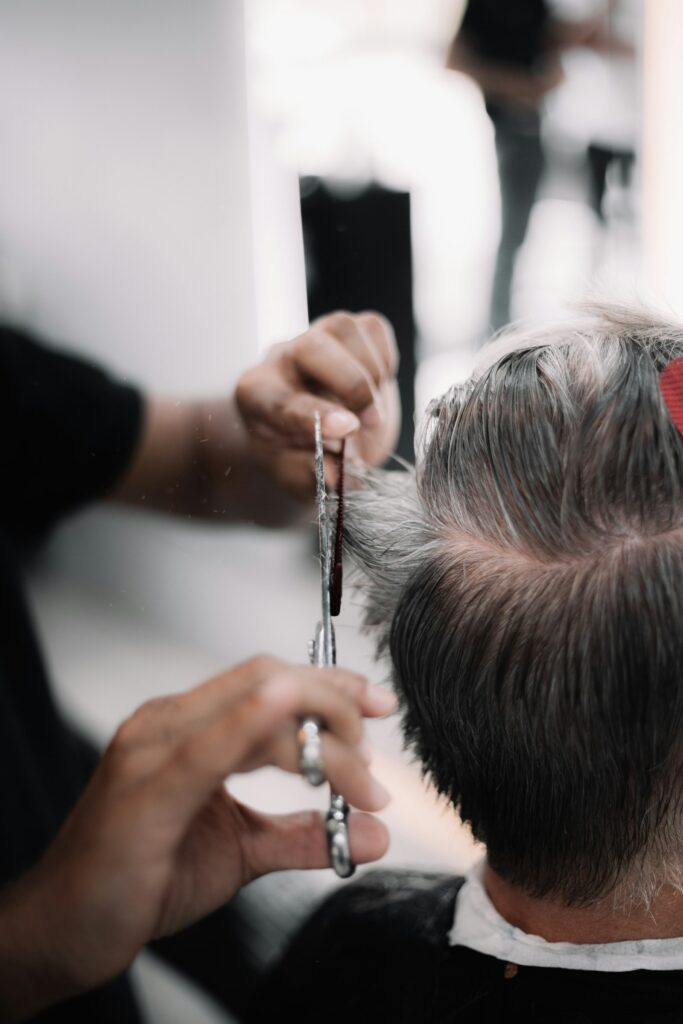
Gray blending uses color placement or a gentler-looking tonal change to soften the contrast between gray and pigmented hair.
Overview
Gray Blending: What to Know
Gray blending uses color placement or a gentler-looking tonal change to soften the contrast between gray and pigmented hair. The aim is often a natural salt-and-pepper appearance instead of solid, uniform coverage. Hair color history, beard versus scalp use, and formula choice should guide the service.
An appointment may suit clients who want gray to appear less stark without looking as though all their hair was dyed. In a consultation, explain the goal in your own words and bring reference images that show a similar starting point and the result you want.
Check exactly what the appointment includes because some businesses sell the service as an add-on and others offer it separately. The result should fit your broader grooming routine.
On this directory page, the gray blending guide explains available variations, preparation, likely maintenance, and what to ask before comparing local business listings. Services, prices, and availability differ by provider; check the live listing or contact the business before making plans.
Styles & options
Types of gray blending

Subtle scalp gray blend
Reduces obvious gray contrast while leaving some variation visible. Before booking, ask the provider to show an example of this exact variation rather than assuming the general gray blending label covers it. The consultation should confirm the placement, proportions, and finishing details.

Targeted temple blend
Concentrates on temples or other areas where gray appears more prominent. A reference photo is useful here, but existing hair condition and texture can change the final appearance. Ask which part of the result is adjustable and what may require extra preparation or maintenance.

Beard gray blend
Uses facial-hair-appropriate color techniques to make gray in the beard less abrupt. This choice should be compared with the other gray blending options by looking at both the front and side or back view. Discuss comfort, at-home care, and whether the provider has relevant examples.
Your appointment
What to expect
Step 01
Consultation
Show a relevant reference, explain the desired outcome, and confirm what the booked service actually includes. Ask whether Gray Blending is offered as a standalone appointment or part of a package.
Step 02
Assessment and preparation
The colorist checks growth and base tone, selects a subtle color strategy, follows allergy-screening directions, applies, and assesses the blend.
Step 03
Service and quality check
Compare the developing result with the original plan. Ask about comfort, visible symmetry, and anything that needs adjusting before finishing.
Step 04
Finish and aftercare
Natural regrowth will continue; choose a low-contrast shade and ask how frequently touch-ups may become noticeable.
Price guide
What does gray blending cost?
Actual gray blending rates vary by location, provider, complexity, and what is included. Displayed prices should come from verified local business listings, not general estimates.
Ask about extras, consultations, maintenance, and add-on charges when comparing quotes.
Across 4 listings with a published price: $45 – $125 (median $80).
Choosing a provider
How to choose a provider for gray blending
- Check recent gray blending photos from the provider's own clients; do not rely solely on stock inspiration images.
- Look for experience with subtle scalp gray blend and hair or skin characteristics similar to yours.
- Read detailed reviews for consistency, communication, hygiene, and how concerns were handled.
- Confirm licensing, training, and sanitation practices where applicable to the service and state.
- Ask what is included in the gray blending booking and whether a consultation is needed.
- Describe the intended result and your at-home routine, then ask which variation is realistic for your hair or skin.
- Ask about this service-specific consideration before booking: Use appropriate products for scalp or beard areas, discuss patch testing, and avoid applying dyes to irritated skin.
Compare
Gray Blending vs. Hair Coloring
Gray Blending
- Main focusGray blending uses color placement or a gentler-looking tonal change to soften the contrast between gray and pigmented hair
- Typical consultationConfirm the specific gray blending option and starting condition
- What to compareFinished look, preparation, maintenance, and service inclusions
Hair Coloring
- Main focusHair Coloring has its own distinct booking goal
- Typical consultationConfirm the alternative’s technique and scope
- What to compareSame factors using actual provider descriptions
General hair coloring can create opaque, all-over shade change; gray blending usually aims to retain dimensional variation. When looking at two similar booking categories, compare the actual service description and a provider’s examples rather than choosing from the names alone. Someone interested in the subtle scalp gray blend option should ask if it is included under gray blending or requires a separate appointment. Discuss the intended appearance, likely maintenance, and any difference in preparation with the provider. If a listing uses ambiguous labels, contact the business directly; a low posted price does not establish identical service scope. Choose a provider who explains the trade-offs for your starting condition.
Locations
Where to get gray blending
 Barbershop
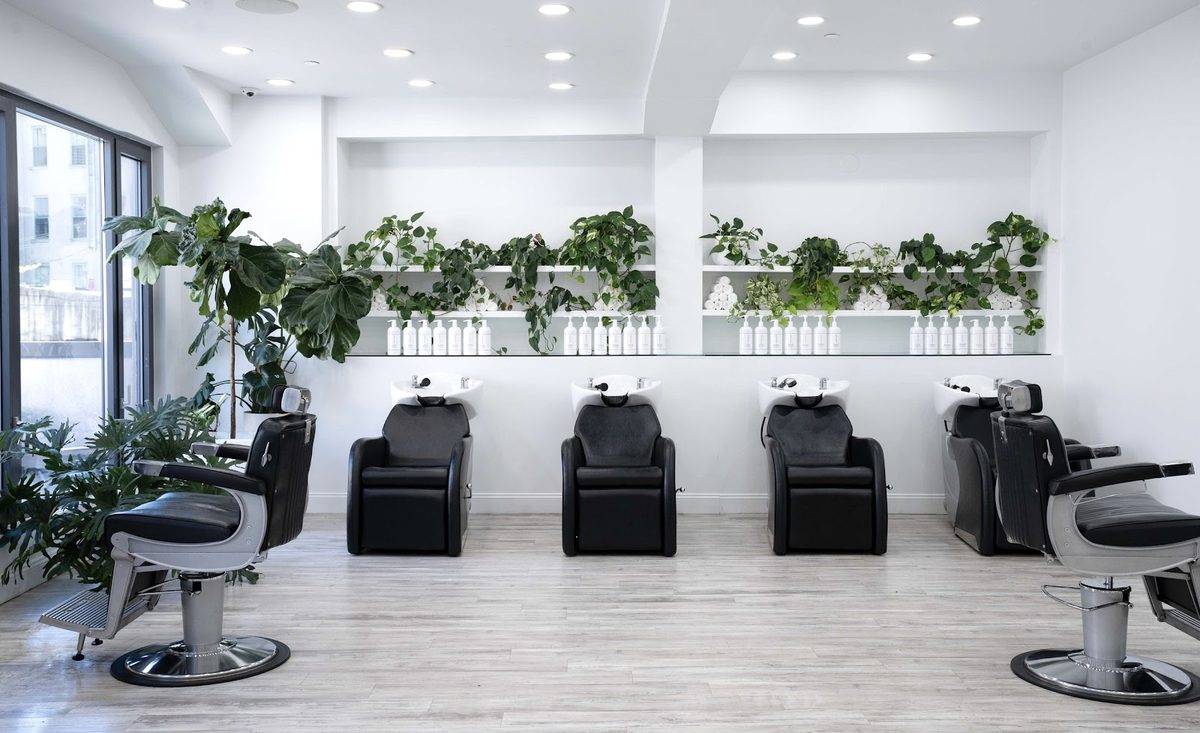
Adrian Fanus Grooming
Brooklyn, NY
651 Bushwick Ave, Brooklyn, NY 11221
- Kids' Haircut
- Head Shave
- Scissor Cut
 Barbershop
Alpha Suites & Barbershop
Queens · Jamaica, NY
248-51 Jericho Tpke, Jamaica, NY 11426
- Kids' Haircut
- Head Shave
- Buzz Cut
 Barbershop
Butter Cuts Hair Cutting & Styling
Vestavia Hills, AL
4274 Cahaba Heights Ct, Vestavia Hills, AL 35243
- Kids' Haircut
- Scissor Cut
- Men's Haircut
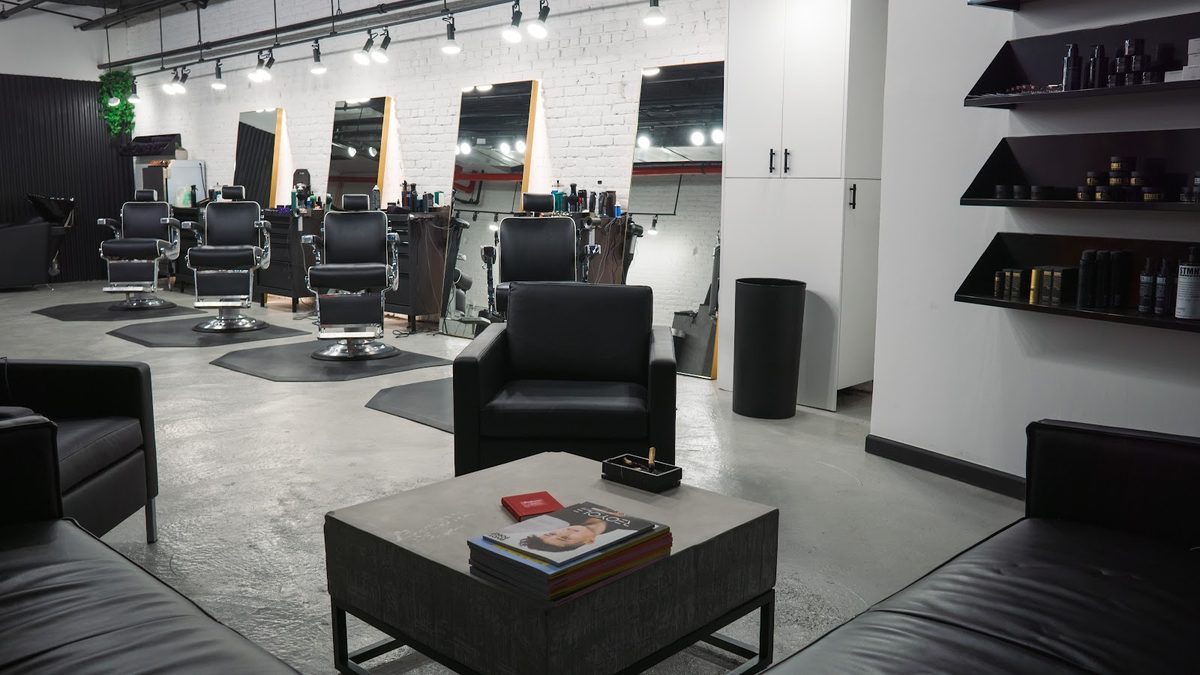
 Barbershop
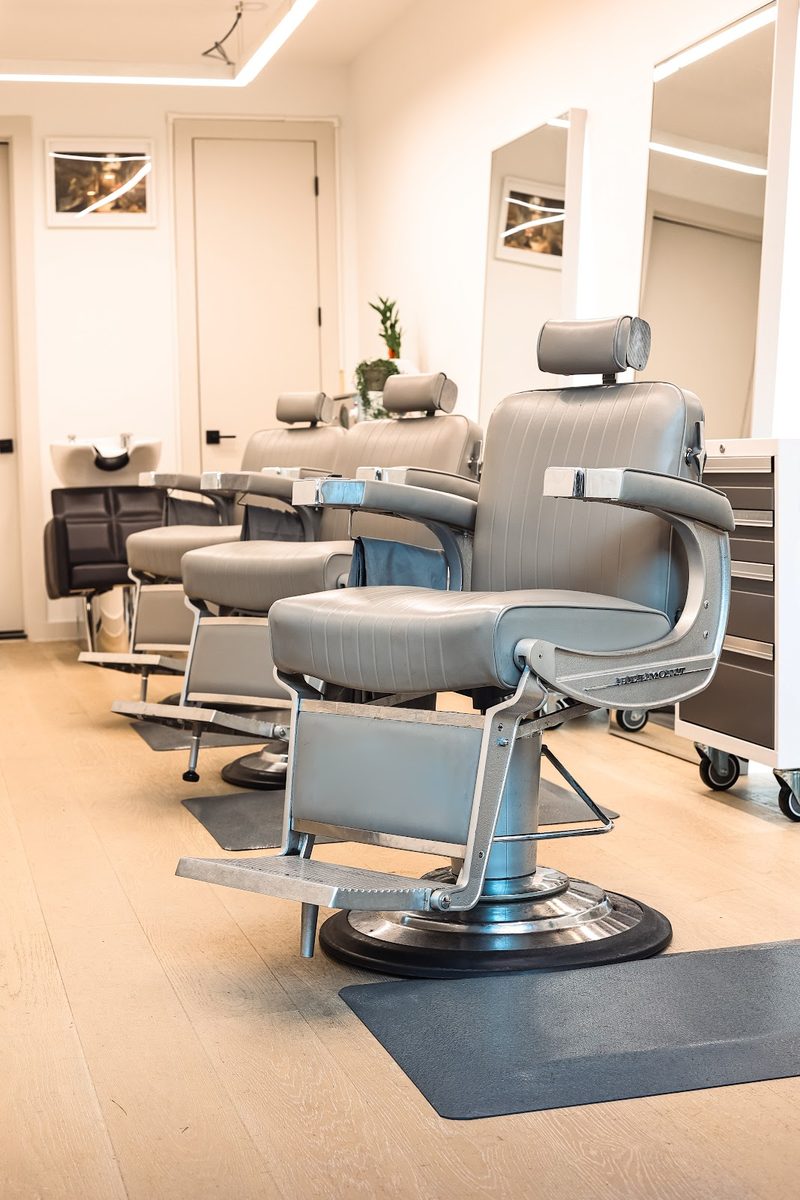
CABELLO BROOKLYN
Williamsburg · Brooklyn, NY
476 Humboldt St Spc B, Brooklyn, NY 11211
- Scissor Cut
- Beard Shaping
- Gray Blending
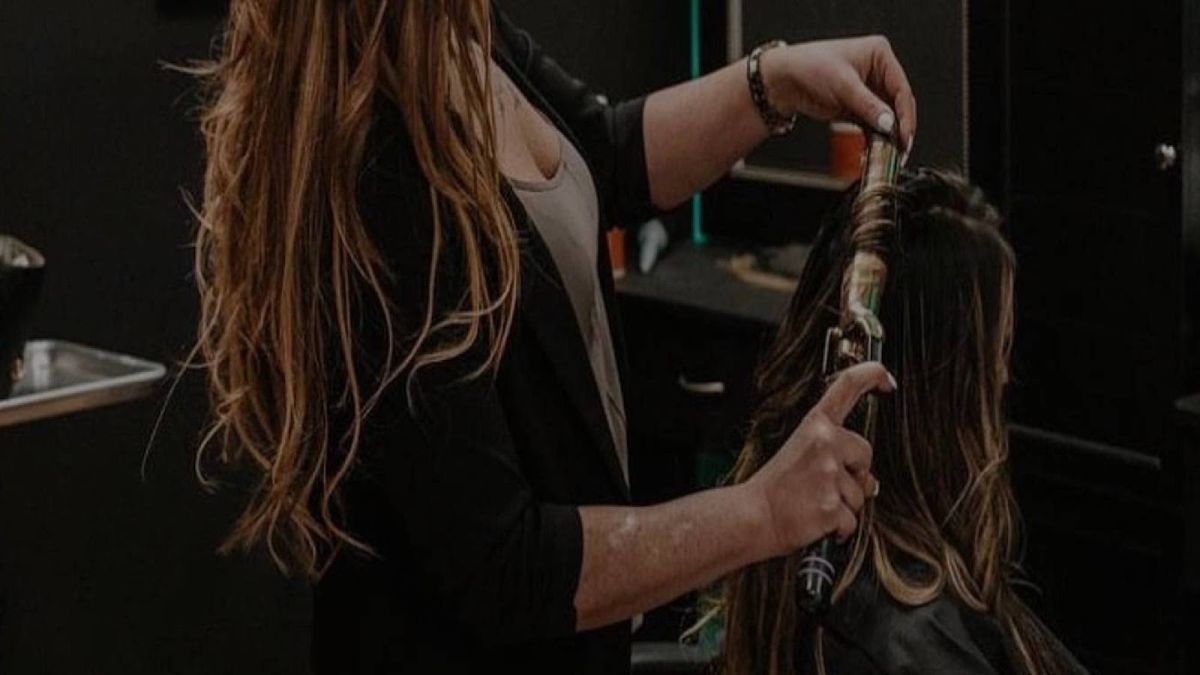
 Barbershop
Cartel Hair Studio
SoHo · New York, NY
87 Crosby St Lower Level, New York, NY 10012
- Line Up / Edge Up
- Gray Blending
- Kids' Haircut
 Hair Salon
Kelsey & Co. AK
Anchorage, AK
3820 Lake Otis Pkwy Suite 100A, Anchorage, AK 99508
- Kids' Haircut
- Beard Coloring
- Neck Shave
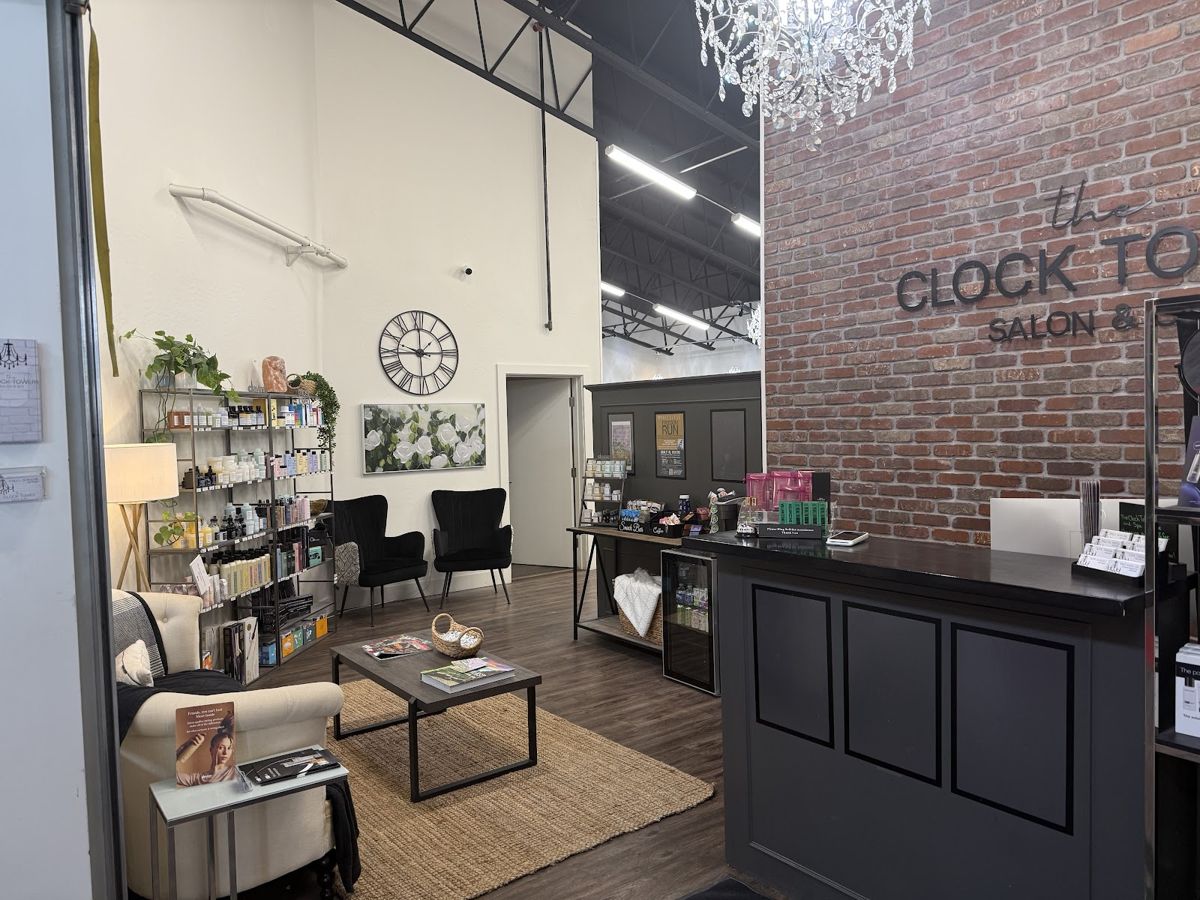 Hair Salon
The Clock Tower Salon
Wasilla, AK
290 N Yenlo St Ste 38, Wasilla, AK 99654
- Beard Trim
- Gray Blending
- Eyebrow Grooming
Showing 1–7 of 7
Aftercare
Maintenance & rebooking
Natural regrowth will continue; choose a low-contrast shade and ask how frequently touch-ups may become noticeable.
Check whether a separate follow-up is needed or whether the service can be added to your next haircut or styling appointment.
For gray blending, there is no single rebooking interval that suits everyone. Ask your provider what change in appearance, comfort, or new growth should trigger a return visit. If your hair or scalp responds poorly, contact a qualified professional instead of repeating the same process automatically.
FAQ
Gray Blending FAQs
Gray blending uses color placement or a gentler-looking tonal change to soften the contrast between gray and pigmented hair. The exact scope of gray blending can vary between providers, so confirm whether preparation, finishing, or related work is part of the booked service.
Gray Blending pricing depends on the provider, exact technique, and included services. Compare the actual descriptions of subtle scalp gray blend and targeted temple blend, and ask whether consultation or maintenance is billed separately.
How long gray blending takes varies with preparation, starting condition, and the selected variation. At booking, explain whether you want subtle scalp gray blend or targeted temple blend, since those details may change the time allowance.
Gray Blending may appeal to clients who want gray to appear less stark without looking as though all their hair was dyed. The most suitable variation depends on existing hair or skin condition, preferences, and daily upkeep. Ask the provider whether subtle scalp gray blend is realistic for your starting point, and bring reference photos showing a comparable texture or length.
General hair coloring can create opaque, all-over shade change; gray blending usually aims to retain dimensional variation. Compare real examples, what the service includes, and how each look grows out or wears. A provider can explain why subtle scalp gray blend may align better with your goals.
Natural regrowth will continue; choose a low-contrast shade and ask how frequently touch-ups may become noticeable. Ask which products and daily habits are appropriate for subtle scalp gray blend and the condition of your hair or skin. Rebooking should be based on how the result changes, not a guaranteed lifespan.
Search for providers that explicitly list gray blending and show authentic portfolio examples, ideally including subtle scalp gray blend. Compare recent reviews, service descriptions, and booking policies. Ask whether the business offers targeted temple blend, whether the staff have relevant training, and how they handle consultations or follow-up questions.
It can, especially when some gray remains visible, but a natural result depends on shade selection, placement, and existing color. Discuss how this applies to subtle scalp gray blend versus targeted temple blend before choosing a provider. Your starting condition and the exact version of gray blending matter more than a single generic rule.
Use appropriate products for scalp or beard areas, discuss patch testing, and avoid applying dyes to irritated skin. Tell the provider about previous reactions or discomfort and ask how they adapt gray blending to different clients. For chemical processing, review the exact formula, precautions, and practitioner qualifications.