Barbershop · Haircuts
Low Fade Near You
A low fade starts its change in length close to the ear and nape, keeping more weight on the upper sides than.
Overview
Low Fade: What to Know
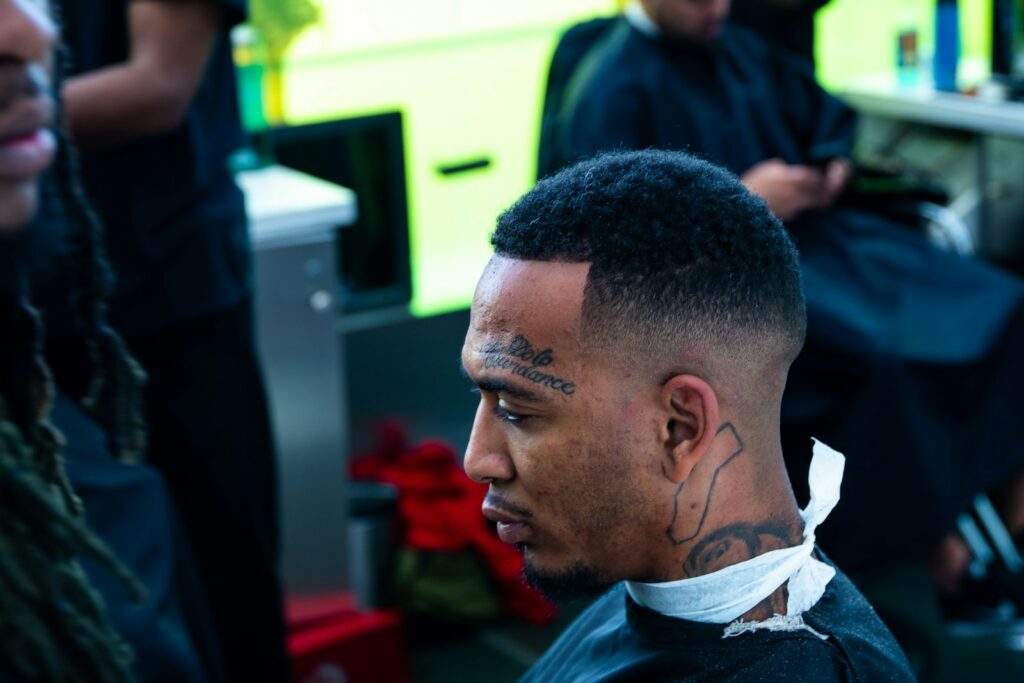
A low fade starts its change in length close to the ear and nape, keeping more weight on the upper sides than a mid or high fade. It can be subtle and office-friendly or become more striking when the shortest section is shaved to skin. The fade height matters as much as the guard length.
An appointment may suit people seeking a clean but not overly aggressive style, including those who want to preserve bulk above the ears. In a consultation, explain the goal in your own words and bring reference images that show a similar starting point and the result you want.
Look at how the result follows growth direction, natural texture, and head shape in both front and side views. A strong example should look balanced even without heavy styling product.
On this directory page, the low fade guide explains available variations, preparation, likely maintenance, and what to ask before comparing local business listings. Services, prices, and availability differ by provider; check the live listing or contact the business before making plans.
Styles & options
Types of low fade

Classic low fade
A restrained blend near the lower perimeter preserves side fullness and keeps the haircut understated. Before booking, ask the provider to show an example of this exact variation rather than assuming the general low fade label covers it. The consultation should confirm the placement, proportions, and finishing details.

Low skin fade
The lowest portion tapers to bare skin for a crisp edge while the overall fade remains low. A reference photo is useful here, but existing hair condition and texture can change the final appearance. Ask which part of the result is adjustable and what may require extra preparation or maintenance.

Low drop fade
The fading line curves downward behind the ear, following the contour toward the back of the head. This choice should be compared with the other low fade options by looking at both the front and side or back view. Discuss comfort, at-home care, and whether the provider has relevant examples.
Your appointment
What to expect
Step 01
Consultation
Show a relevant reference, explain the desired outcome, and confirm what the booked service actually includes. Ask whether Low Fade is offered as a standalone appointment or part of a package.
Step 02
Assessment and preparation
The barber sets the low boundary, blends upward in small increments, balances both sides, and shapes the neckline without raising the fade too far.
Step 03
Service and quality check
Compare the developing result with the original plan. Ask about comfort, visible symmetry, and anything that needs adjusting before finishing.
Step 04
Finish and aftercare
A lower fade can grow out with less obvious contrast than a high skin fade, but sharp edges still require periodic cleanup.
Price guide
What does low fade cost?
Actual low fade rates vary by location, provider, complexity, and what is included. Displayed prices should come from verified local business listings, not general estimates.
Ask about extras, consultations, maintenance, and add-on charges when comparing quotes.
Across 1 listings with a published price: $30 – $30 (median $30).
Choosing a provider
How to choose a provider for low fade
- Check recent low fade photos from the provider's own clients; do not rely solely on stock inspiration images.
- Look for experience with classic low fade and hair or skin characteristics similar to yours.
- Read detailed reviews for consistency, communication, hygiene, and how concerns were handled.
- Confirm licensing, training, and sanitation practices where applicable to the service and state.
- Ask what is included in the low fade booking and whether a consultation is needed.
- Describe the intended result and your at-home routine, then ask which variation is realistic for your hair or skin.
- Ask about this service-specific consideration before booking: Be specific about how low the fade should sit. 'Low' can mean different heights in different reference photos.
Compare
Low Fade vs. Taper Fade
Low Fade
- Main focusA low fade starts its change in length close to the ear and nape, keeping more weight on the upper sides than a mid or high fade
- Typical consultationConfirm the specific low fade option and starting condition
- What to compareFinished look, preparation, maintenance, and service inclusions
Taper Fade
- Main focusTaper Fade has its own distinct booking goal
- Typical consultationConfirm the alternative’s technique and scope
- What to compareSame factors using actual provider descriptions
A low fade reduces length around much of the lower side and back; a low taper usually concentrates the shortest blending at the sideburns and neckline. When looking at two similar booking categories, compare the actual service description and a provider’s examples rather than choosing from the names alone. Someone interested in the classic low fade option should ask if it is included under low fade or requires a separate appointment. Discuss the intended appearance, likely maintenance, and any difference in preparation with the provider. Choose a provider who explains the trade-offs for your starting condition.
Locations
Where to get low fade
Aftercare
Maintenance & rebooking
A lower fade can grow out with less obvious contrast than a high skin fade, but sharp edges still require periodic cleanup.
If you want to keep a sharp outline, take reference photos of the fresh cut and use them at your next appointment. Softer shapes can be allowed to grow out longer.
For low fade, there is no single rebooking interval that suits everyone. Ask your provider what change in appearance, comfort, or new growth should trigger a return visit. If your hair or scalp responds poorly, contact a qualified professional instead of repeating the same process automatically.
FAQ
Low Fade FAQs
A low fade starts its change in length close to the ear and nape, keeping more weight on the upper sides than a mid or high fade. The exact scope of low fade can vary between providers, so confirm whether preparation, finishing, or related work is part of the booked service.
Low Fade pricing depends on the provider, exact technique, and included services. Compare the actual descriptions of classic low fade and low skin fade, and ask whether consultation or maintenance is billed separately.
How long low fade takes varies with preparation, starting condition, and the selected variation. At booking, explain whether you want classic low fade or low skin fade, since those details may change the time allowance.
Low Fade may appeal to people seeking a clean but not overly aggressive style, including those who want to preserve bulk above the ears. The most suitable variation depends on existing hair or skin condition, preferences, and daily upkeep. Ask the provider whether classic low fade is realistic for your starting point, and bring reference photos showing a comparable texture or length.
A low fade reduces length around much of the lower side and back; a low taper usually concentrates the shortest blending at the sideburns and neckline. Compare real examples, what the service includes, and how each look grows out or wears. A provider can explain why classic low fade may align better with your goals.
A lower fade can grow out with less obvious contrast than a high skin fade, but sharp edges still require periodic cleanup. Ask which products and daily habits are appropriate for classic low fade and the condition of your hair or skin.
Search for providers that explicitly list low fade and show authentic portfolio examples, ideally including classic low fade. Compare recent reviews, service descriptions, and booking policies. Ask whether the business offers low skin fade, whether the staff have relevant training, and how they handle consultations or follow-up questions.
A low fade is often one of the more restrained fade options. The top styling and whether the sides finish at skin level affect how bold it looks. Discuss how this applies to classic low fade versus low skin fade before choosing a provider.
Be specific about how low the fade should sit. ‘Low’ can mean different heights in different reference photos. Tell the provider about previous reactions or discomfort and ask how they adapt low fade to different clients. Confirm tool hygiene, sensitivity considerations, and reasonable adjustments before the service begins.