Hair Salon · Treatments
Hair Relaxer Near You
A hair relaxer is a chemical service that alters the natural curl structure to produce straighter hair.
Overview
Hair Relaxer: What to Know
A hair relaxer is a chemical service that alters the natural curl structure to produce straighter hair. It is not a temporary heat style, and newly grown hair retains its natural texture. The process requires careful scalp assessment, product timing, and ongoing care for previously treated hair.
An appointment may suit clients prepared for permanent chemical texture change and maintenance of new growth. In a consultation, explain the goal in your own words and bring reference images that show a similar starting point and the result you want.
Specific formulas and salon methods are not interchangeable, even when their marketing names sound similar. Confirm what products and techniques are actually being offered before comparing quotes.
On this directory page, the hair relaxer guide explains available variations, preparation, likely maintenance, and what to ask before comparing local business listings. Services, prices, and availability differ by provider; check the live listing or contact the business before making plans.
Styles & options
Types of hair relaxer

Virgin relaxer
Treats hair that has not previously been chemically relaxed, following the selected product’s protocol. Before booking, ask the provider to show an example of this exact variation rather than assuming the general relaxer label covers it. The consultation should confirm the placement, proportions, and finishing details.

Relaxer retouch
Focuses on appropriate new growth instead of repeatedly applying strong chemicals through already relaxed lengths. A reference photo is useful here, but existing hair condition and texture can change the final appearance. Ask which part of the result is adjustable and what may require extra preparation or maintenance.

Texturizing relaxer approach
Uses a specific chemical plan to reduce curl tightness without necessarily seeking a fully straight result. This choice should be compared with the other relaxer options by looking at both the front and side or back view. Discuss comfort, at-home care, and whether the provider has relevant examples.
Your appointment
What to expect
Step 01
Consultation
Show a relevant reference, explain the desired outcome, and confirm what the booked service actually includes. Ask whether Relaxer is offered as a standalone appointment or part of a package.
Step 02
Assessment and preparation
A licensed stylist checks scalp and hair condition, reviews chemical history, protects where required, follows manufacturer timing, neutralizes and conditions.
Step 03
Service and quality check
Compare the developing result with the original plan. Ask about comfort, visible symmetry, and anything that needs adjusting before finishing.
Step 04
Finish and aftercare
Avoid overlapping relaxer onto previously treated hair; follow the stylist’s advice for cleansing, moisturizing, and breakage prevention.
Price guide
What does hair relaxer cost?
Actual relaxer rates vary by location, provider, complexity, and what is included. Displayed prices should come from verified local business listings, not general estimates.
Ask about extras, consultations, maintenance, and add-on charges when comparing quotes.
Across 3 listings with a published price: $100 – $150 (median $125).
Choosing a provider
How to choose a provider for hair relaxer
- Check recent relaxer photos from the provider's own clients; do not rely solely on stock inspiration images.
- Look for experience with virgin relaxer and hair or skin characteristics similar to yours.
- Read detailed reviews for consistency, communication, hygiene, and how concerns were handled.
- Confirm licensing, training, and sanitation practices where applicable to the service and state.
- Ask what is included in the relaxer booking and whether a consultation is needed.
- Describe the intended result and your at-home routine, then ask which variation is realistic for your hair or skin.
- Ask about this service-specific consideration before booking: Relaxers can burn scalp and weaken hair. Do not apply to irritated skin; require a licensed professional, product-specific tests and adequate ventilation.
Compare
Relaxer vs. Silk Press
Relaxer
- Main focusA hair relaxer is a chemical service that alters the natural curl structure to produce straighter hair
- Typical consultationConfirm the specific relaxer option and starting condition
- What to compareFinished look, preparation, maintenance, and service inclusions
Silk Press
- Main focusSilk Press has its own distinct booking goal
- Typical consultationConfirm the alternative’s technique and scope
- What to compareSame factors using actual provider descriptions
A relaxer chemically changes curl structure; a silk press uses temporary heat styling and does not intentionally alter bonds. When looking at two similar booking categories, compare the actual service description and a provider’s examples rather than choosing from the names alone. Someone interested in the virgin relaxer option should ask if it is included under relaxer or requires a separate appointment. Discuss the intended appearance, likely maintenance, and any difference in preparation with the provider. If a listing uses ambiguous labels, contact the business directly; a low posted price does not establish identical service scope. Choose a provider who explains the trade-offs for your starting condition.
Locations
Where to get hair relaxer
 Hair Salon
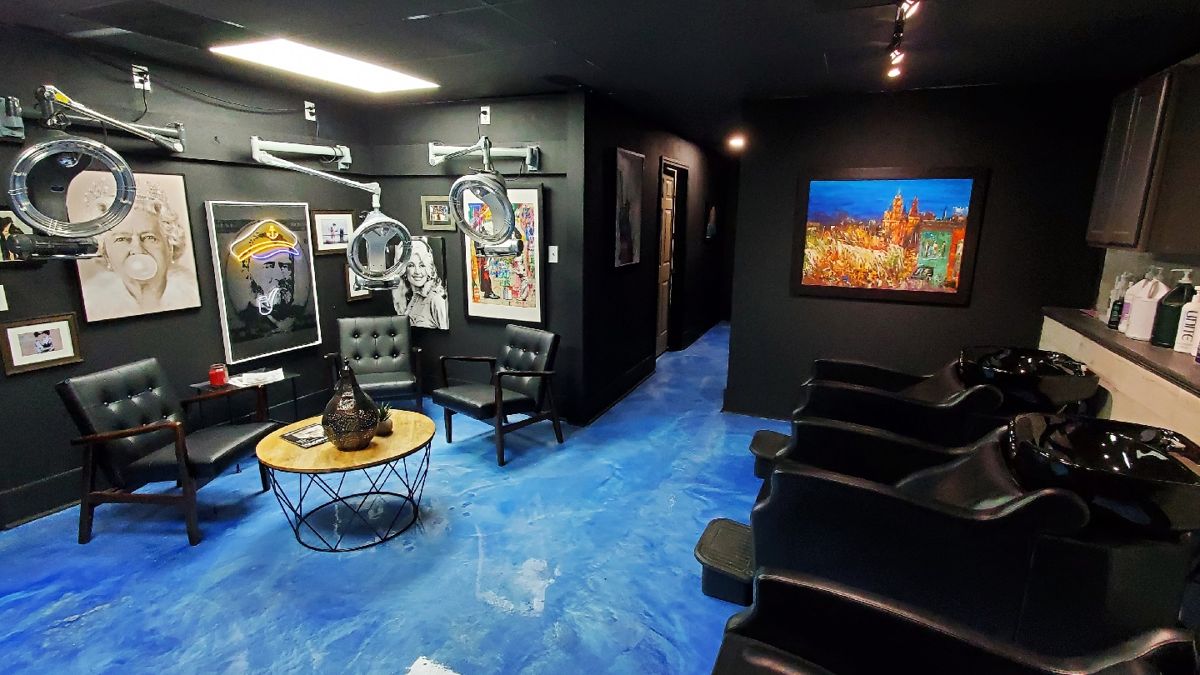
12K Salon
Auburn, AL
217 N College St, Auburn, AL 36830
- Kids' Haircut
- Senior Haircut
- Men's Haircut
 Barbershop
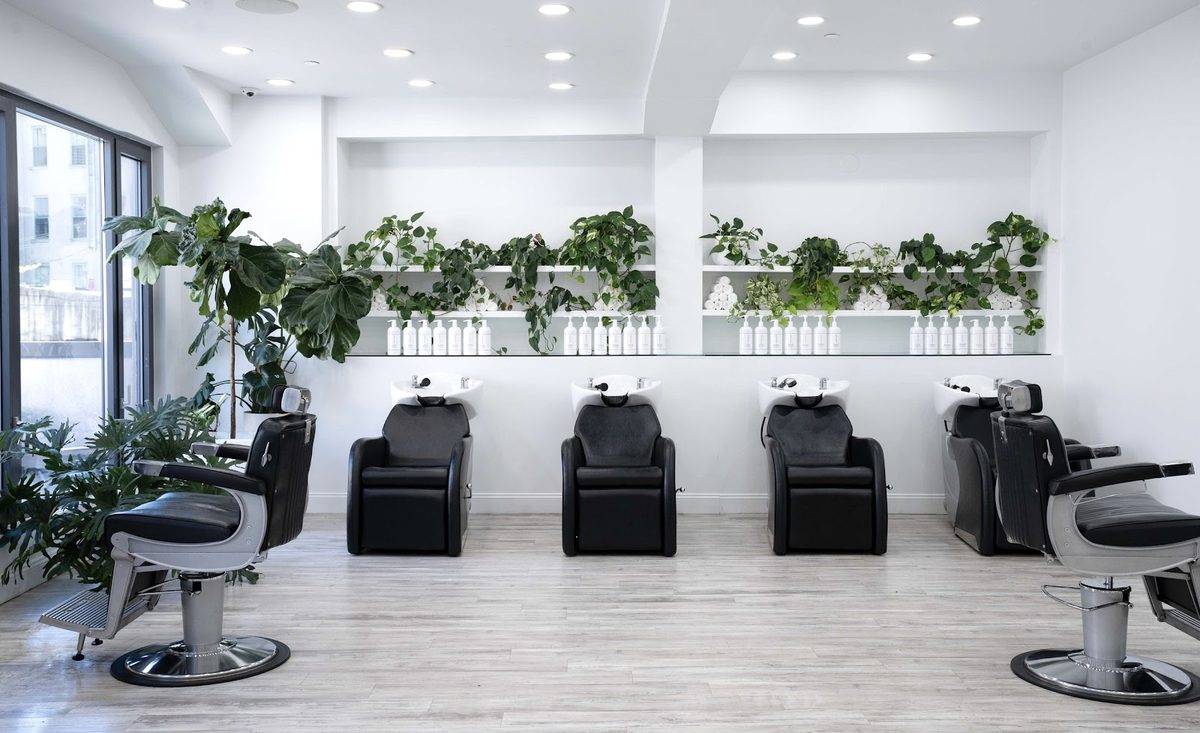
Adrian Fanus Grooming
Brooklyn, NY
651 Bushwick Ave, Brooklyn, NY 11221
- Kids' Haircut
- Head Shave
- Scissor Cut
 Hair Salon
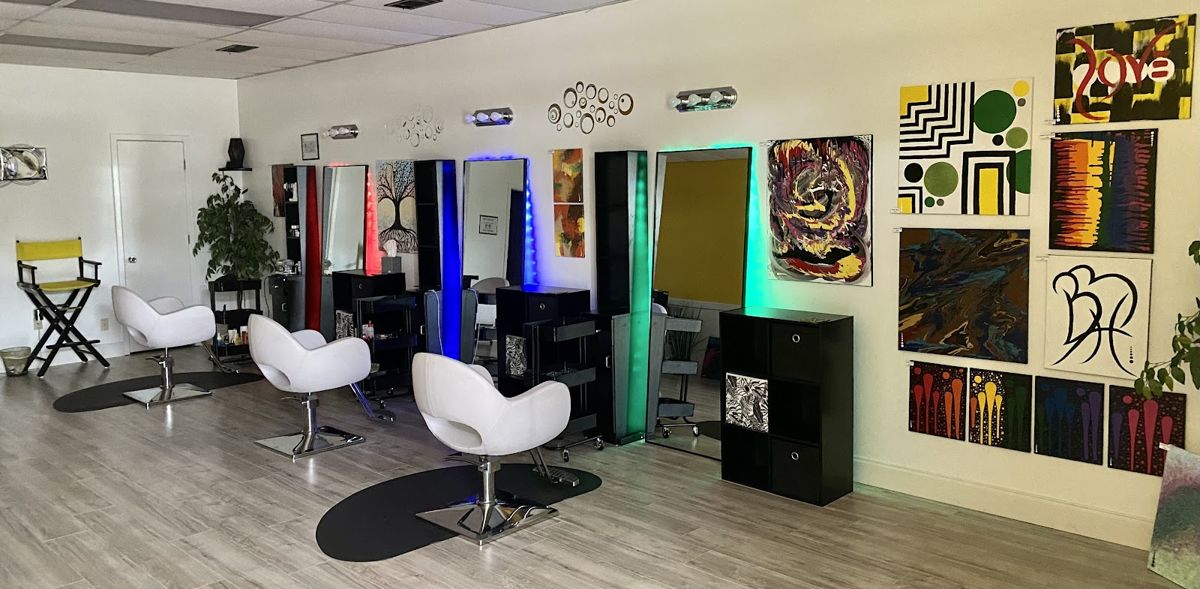
BBLH Foundation
Montgomery, AL
2259 Cong W L Dickinson Dr, Montgomery, AL 36109
- Kids' Haircut
- Men's Haircut
- Neck Shave
 Barbershop
Bourbon N Blades
Vestavia Hills, AL
Vestavia Hills, AL 35216
- Men's Haircut
- Hot Towel Shave
- Neck Shave
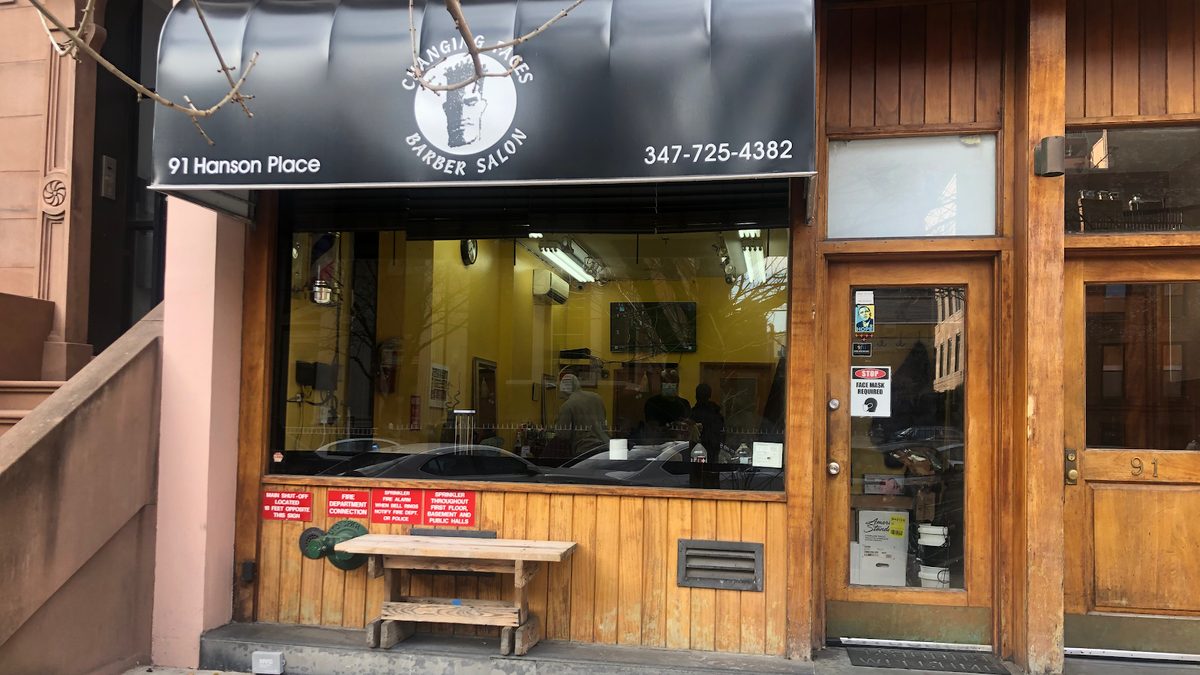 Barbershop
Changing Faces Barber Salon
Fort Greene · Brooklyn, NY
91 Hanson Pl, Brooklyn, NY 11217
- Kids' Haircut
- Men's Haircut
- Hair Washing
Showing 1–5 of 5
Aftercare
Maintenance & rebooking
Avoid overlapping relaxer onto previously treated hair; follow the stylist’s advice for cleansing, moisturizing, and breakage prevention.
Care instructions depend on the exact product or method. Ask for written guidance instead of relying on advice intended for a different formula.
For relaxer, there is no single rebooking interval that suits everyone. Ask your provider what change in appearance, comfort, or new growth should trigger a return visit. If your hair or scalp responds poorly, contact a qualified professional instead of repeating the same process automatically.
FAQ
Relaxer FAQs
A hair relaxer is a chemical service that alters the natural curl structure to produce straighter hair. The exact scope of relaxer can vary between providers, so confirm whether preparation, finishing, or related work is part of the booked service. Use photographs of virgin relaxer or relaxer retouch to explain which finish you mean.
Relaxer pricing depends on the provider, exact technique, and included services. Compare the actual descriptions of virgin relaxer and relaxer retouch, and ask whether consultation or maintenance is billed separately.
How long relaxer takes varies with preparation, starting condition, and the selected variation. At booking, explain whether you want virgin relaxer or relaxer retouch, since those details may change the time allowance.
Relaxer may appeal to clients prepared for permanent chemical texture change and maintenance of new growth. The most suitable variation depends on existing hair or skin condition, preferences, and daily upkeep. Ask the provider whether virgin relaxer is realistic for your starting point, and bring reference photos showing a comparable texture or length.
A relaxer chemically changes curl structure; a silk press uses temporary heat styling and does not intentionally alter bonds. Compare real examples, what the service includes, and how each look grows out or wears. A provider can explain why virgin relaxer may align better with your goals.
Avoid overlapping relaxer onto previously treated hair; follow the stylist’s advice for cleansing, moisturizing, and breakage prevention. Ask which products and daily habits are appropriate for virgin relaxer and the condition of your hair or skin. Rebooking should be based on how the result changes, not a guaranteed lifespan.
Search for providers that explicitly list relaxer and show authentic portfolio examples, ideally including virgin relaxer. Compare recent reviews, service descriptions, and booking policies. Ask whether the business offers relaxer retouch, whether the staff have relevant training, and how they handle consultations or follow-up questions.
Yes. Chemical relaxers can cause burns and irritation if misused. A professional should inspect the scalp and follow strict product directions. Discuss how this applies to virgin relaxer versus relaxer retouch before choosing a provider. Your starting condition and the exact version of relaxer matter more than a single generic rule.
Relaxers can burn scalp and weaken hair. Do not apply to irritated skin; require a licensed professional, product-specific tests and adequate ventilation. Tell the provider about previous reactions or discomfort and ask how they adapt relaxer to different clients. For chemical processing, review the exact formula, precautions, and practitioner qualifications.
Related